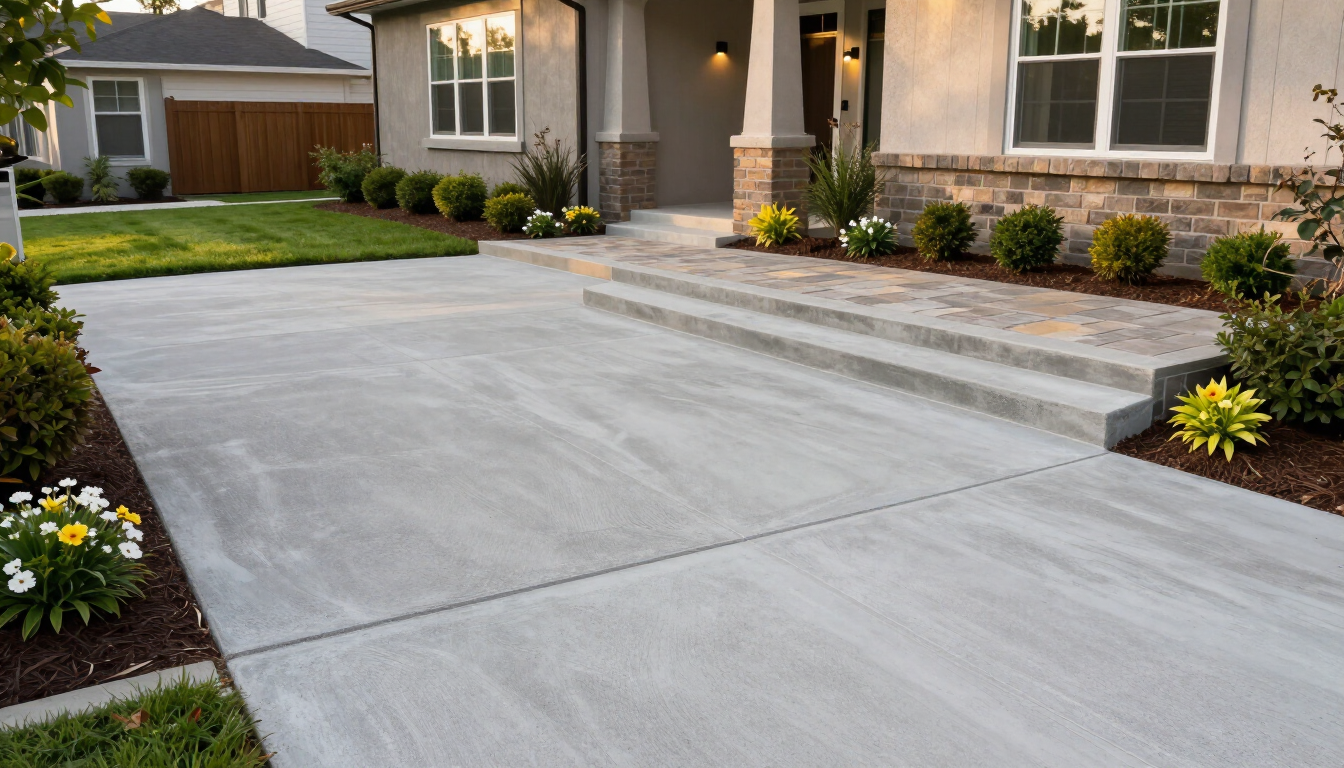
A well-planned walkway can make it easier to move around your property while creating a clean, welcoming approach to your home. Whether you need a path from the driveway to the front entrance or a walkway connecting different outdoor areas, concrete can provide a durable, practical surface when properly designed and installed.
For homeowners in Roanoke, Virginia, planning a concrete walkway involves more than choosing where the path should go. The layout, ground conditions, drainage, accessibility, and surrounding landscape all influence how the finished walkway will function.
Taking time to consider these details before construction begins can help you create a walkway that complements your property and supports everyday use.
1. Decide Where Your Walkway Should Go
The first step is determining how people will use the walkway. Think about the routes you take most often and how visitors approach your home.
Common walkway locations include:
- From the driveway to the front entrance
- Between the house and a detached garage
- From a patio to another outdoor area
- Along the side of the home
- Between garden areas and other frequently used spaces
A useful walkway follows natural movement patterns rather than forcing people to take an inconvenient route.
Consider the location of doors, gates, parking areas, landscaping, and other features that may affect the path. A well-positioned walkway can improve the property's overall layout while reducing unnecessary foot traffic across grass or garden beds.
2. Choose a Practical Width and Layout
Walkway width affects comfort and usability. A narrow path may work in a limited space, while a main entrance walkway may benefit from additional room for people to pass comfortably.
When planning the layout, consider how many people will typically use the path, whether they may carry groceries or other items, and whether the walkway needs to accommodate mobility devices.
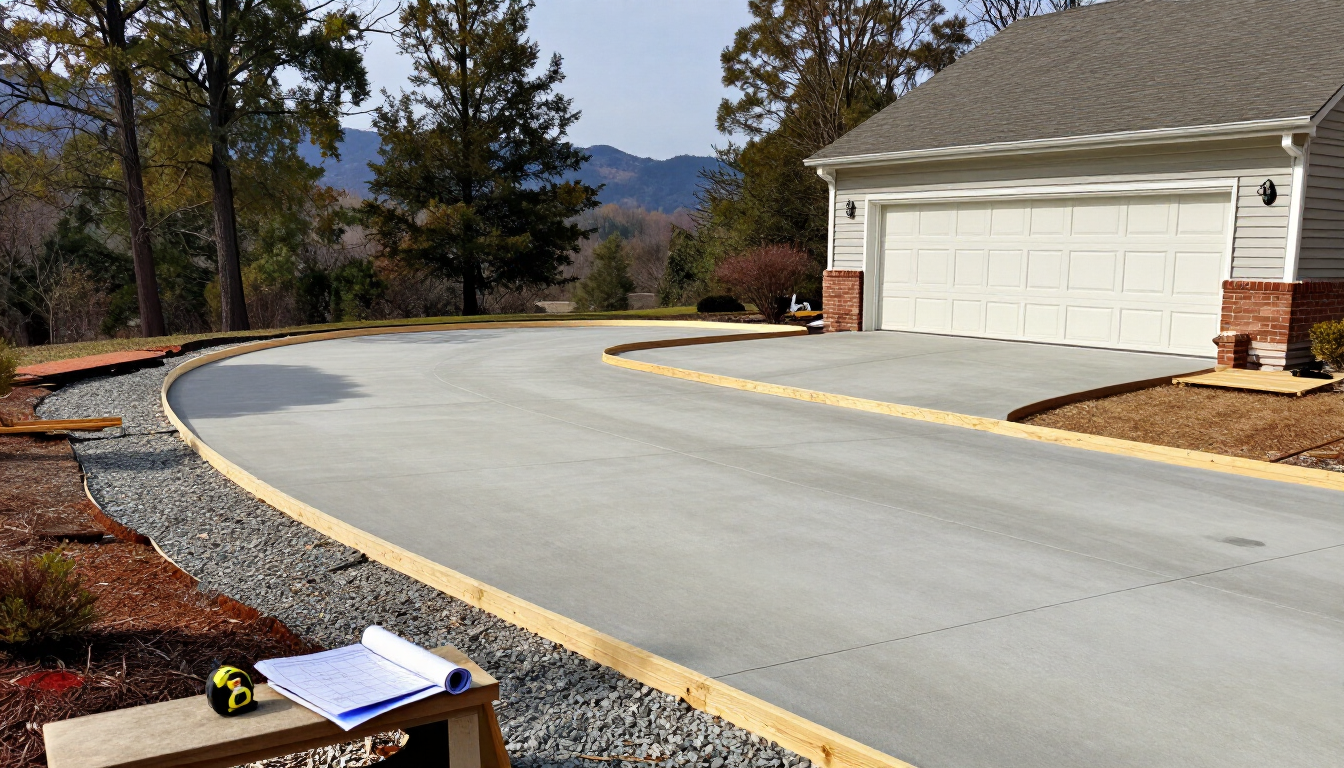
A straight walkway often creates a simple, direct route. A curved design may complement certain landscapes or help the path work around existing features.
The best layout depends on the available space, the home's architecture, and the intended purpose of the walkway.
3. Evaluate the Ground Before Construction
The condition of the ground beneath a walkway plays an important role in its long-term performance.
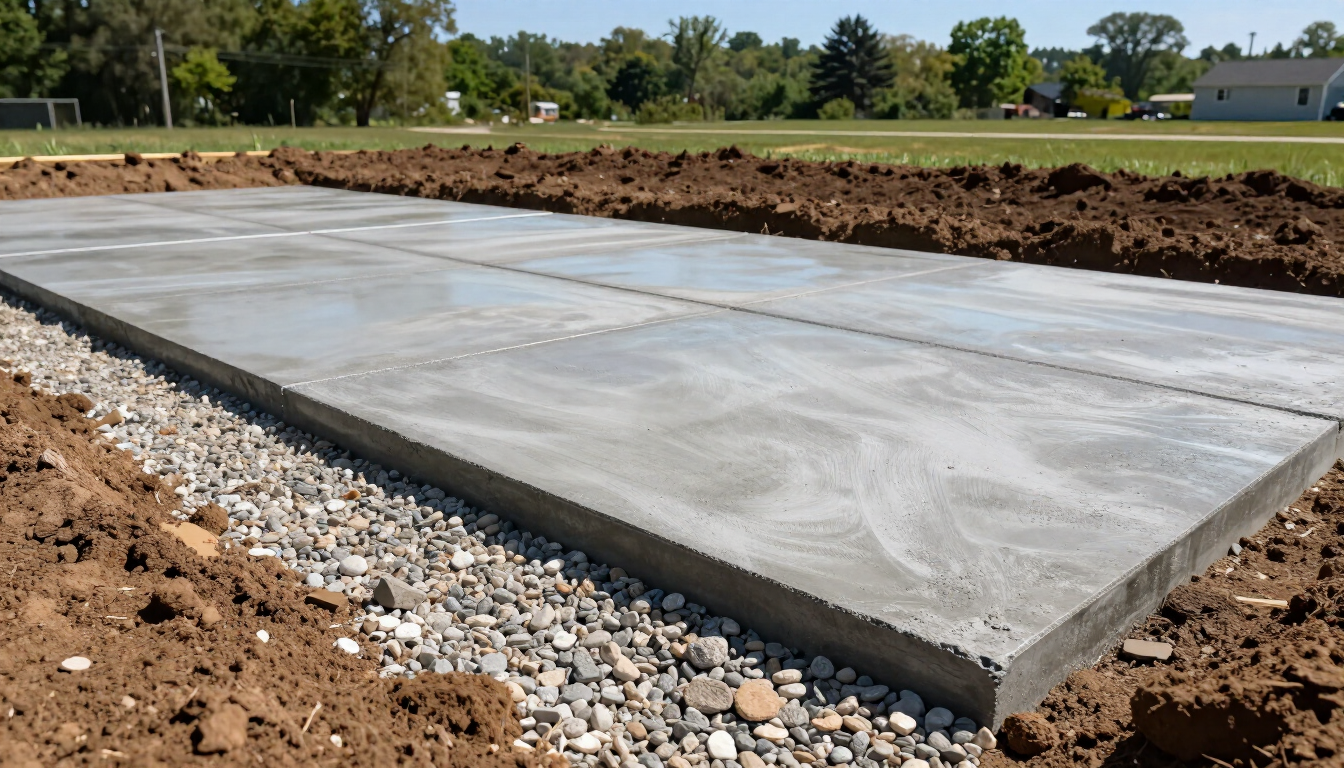
Soil type, compaction, slope, existing vegetation, and previous ground disturbance can affect how the site should be prepared. If the base is not properly prepared, the concrete may be more vulnerable to settling, cracking, or uneven sections.
Before construction begins, the project area should be evaluated for potential obstacles and ground conditions that may need attention.
If the walkway crosses an area with soft soil or significant changes in elevation, additional preparation may be necessary. Addressing these factors before concrete is poured can help create a more suitable foundation for the finished surface.
4. Plan for Drainage and Water Runoff
Drainage is one of the most important considerations when adding a concrete walkway.
Rainwater should not be directed toward the home's foundation or allowed to collect where it can create slippery conditions. The walkway's slope and surrounding ground levels should be considered together so water can move toward an appropriate drainage area.
For properties in Roanoke, VA, where rainfall and changing seasonal conditions can affect outdoor surfaces, it is worth evaluating how a new walkway will interact with the existing landscape.
Before construction, consider:
- Where water currently flows across the property
- Whether the walkway will block an existing drainage route
- How the path will meet the driveway or other paved surfaces
- Whether nearby landscaping could contribute to water pooling
- Whether additional drainage work may be needed
Proper planning can help reduce avoidable water-related problems after installation.
5. Select a Concrete Finish That Suits Your Property
Concrete walkways can have different surface appearances depending on the finish selected.
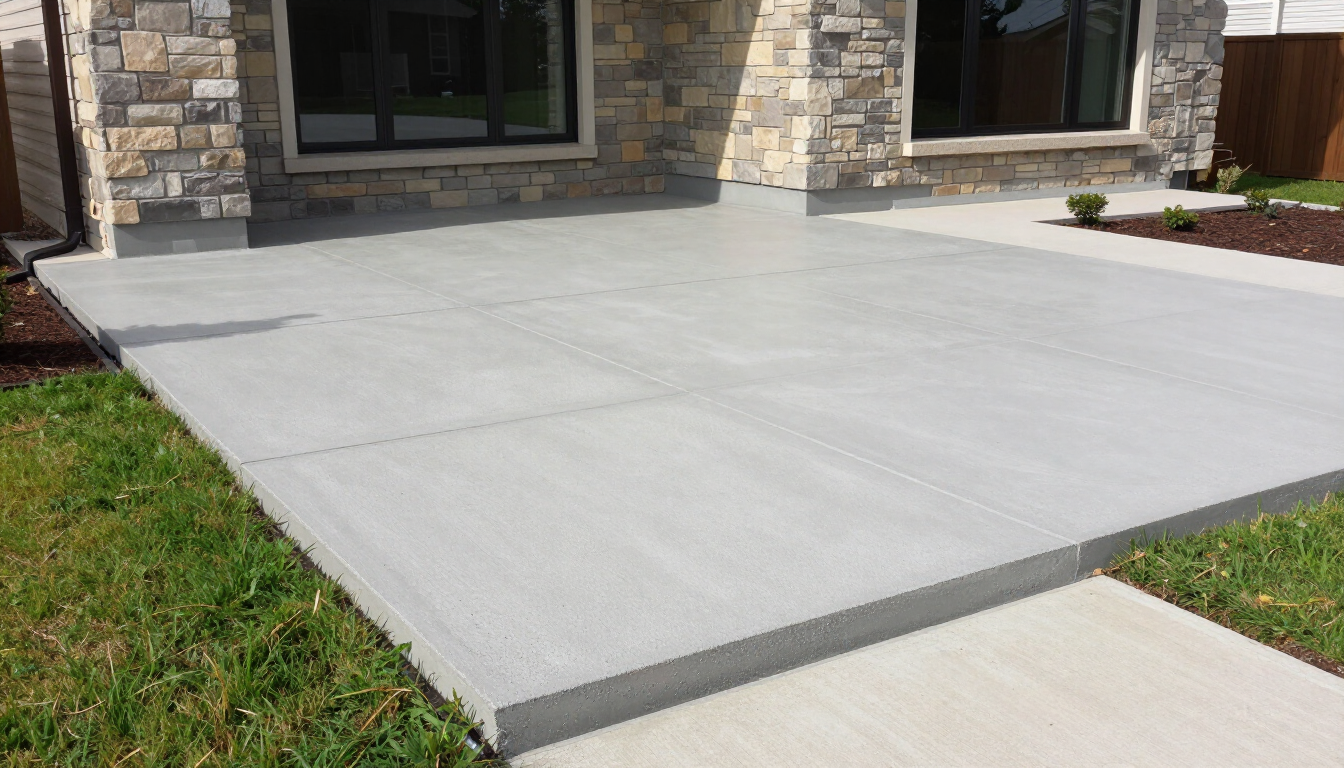
A simple, smooth-looking finish may complement a clean, modern exterior. Other finishing options can provide more texture or create a decorative appearance.
When choosing a finish, consider the style of your home, the surrounding hardscape, and the conditions where the walkway will be used.
Because walkways are exposed to rain, leaves, dirt, and seasonal weather, traction and maintenance should also be considered. Ask your contractor which finish is appropriate for the intended use and local conditions.
6. Consider How the Walkway Connects With Existing Features
A walkway should feel like part of the property rather than an isolated addition.
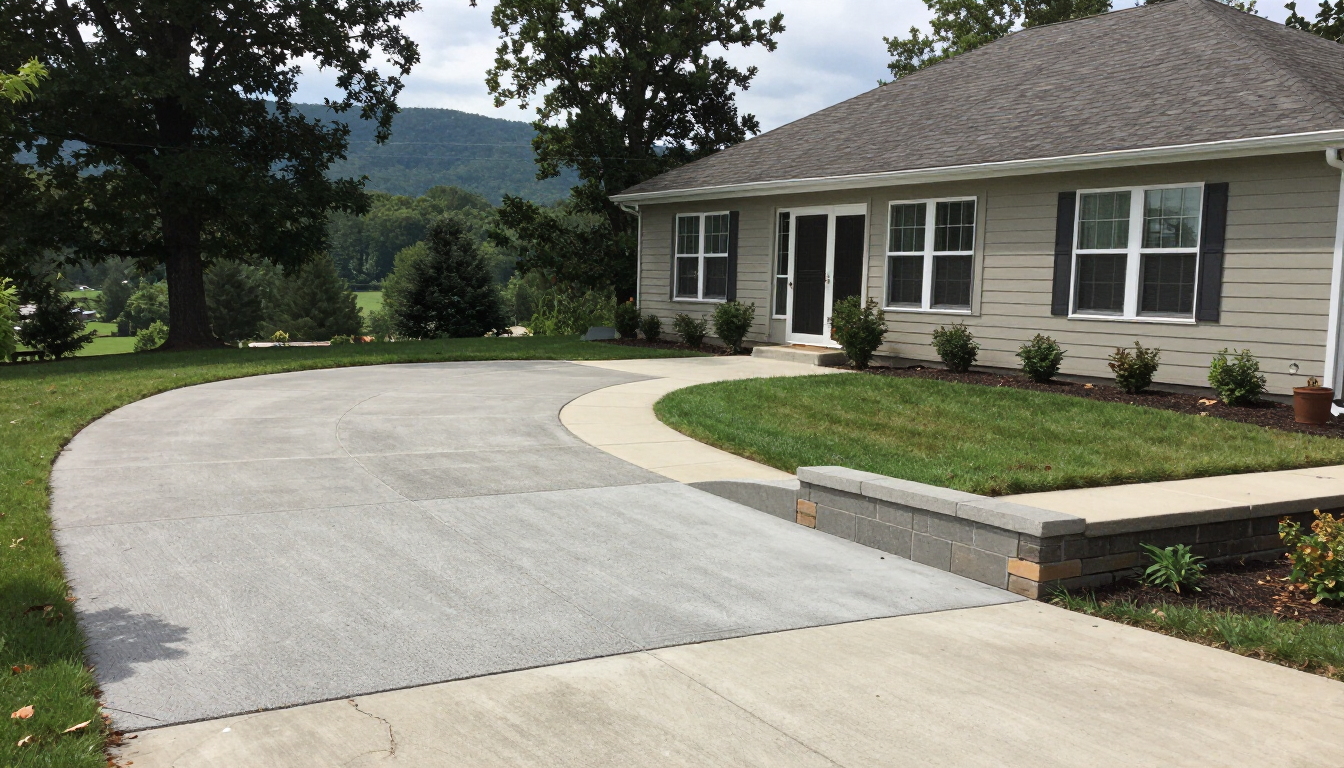
Think about how it connects to the driveway, front steps, porch, patio, or other outdoor surfaces. Differences in elevation and transitions between materials should be considered during the planning stage.
A coordinated layout can create a more consistent appearance and make the route easier to use.
If you are planning additional outdoor improvements, it may also be helpful to consider the walkway as part of a broader project. Coordinating the layout with other hardscape features can reduce the likelihood of having to disturb a newly installed surface later.
7. Understand Concrete Cracking and Maintenance
Concrete is a durable construction material, but it can crack over time. Shrinkage during curing, movement in the supporting ground, temperature changes, and other conditions can contribute to cracking.
Proper site preparation, suitable concrete placement, and appropriate joint planning can help manage cracking, although no concrete installation can be guaranteed to remain completely crack-free.
After installation, basic maintenance can help preserve the walkway's appearance.
- Remove dirt, leaves, and organic debris periodically.
- Avoid using unsuitable chemicals that could damage the surface.
- Watch for uneven sections or changes that could create a tripping hazard.
- Address drainage concerns that allow water to collect around the walkway.
- Ask about appropriate curing time and when the walkway can be used.
Following the contractor's care instructions can help protect the surface during its early stages and support ongoing maintenance.
8. Set a Clear Project Scope Before Work Begins
Before moving forward, make sure you and your contractor understand what the project includes.
Discuss the walkway's approximate dimensions, layout, surface finish, site preparation, drainage considerations, and how the finished path will connect to existing surfaces.
It is also useful to clarify how the work area will be accessed, whether existing landscaping may be disturbed, and how construction debris will be handled.
A clear scope helps establish expectations and makes it easier to compare proposals based on the work being provided rather than price alone.
Improve Your Property With a Well-Planned Concrete Walkway
A concrete walkway can make your property easier to navigate while adding structure to your outdoor space. Careful planning helps ensure the route suits your needs, the ground is prepared appropriately, and drainage is considered before installation begins.
For homeowners in Roanoke, Virginia, Iconic Contracting LLC can be a starting point for discussing concrete and property improvement projects. Share your goals, the location of the proposed walkway, and any site concerns so you can determine whether the project fits the company's current services.
Planning a concrete improvement for your property? Contact Iconic Contracting LLC to discuss your project and learn about the next steps.