A
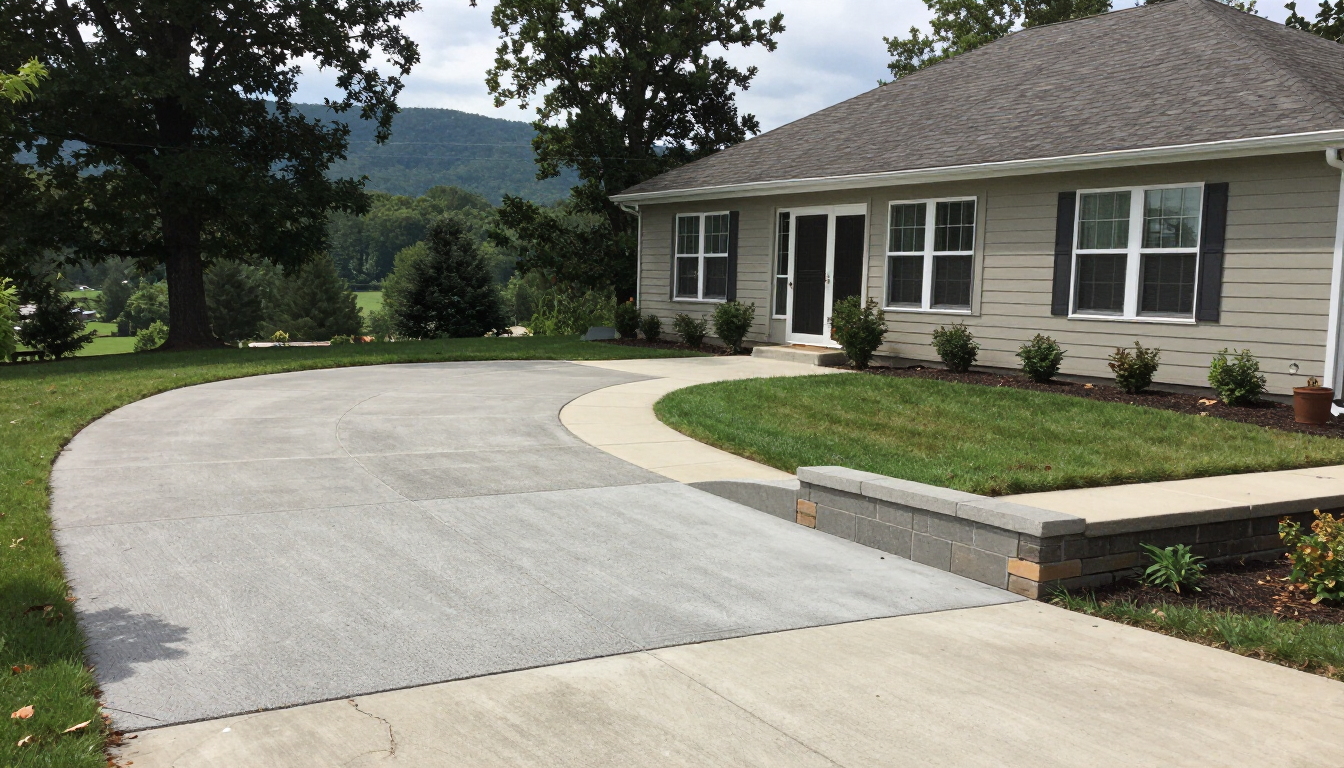
concrete driveway provides a durable, functional surface for parking vehicles and accessing your home. When properly designed, installed, and maintained, it can also complement your property's appearance and improve everyday convenience.
However, a successful driveway project involves more than pouring concrete. Site preparation, drainage, soil conditions, driveway dimensions, and the intended use of the surface all influence the final result.
For homeowners in Roanoke, VA, understanding these factors before starting a project can help you make informed decisions, establish realistic expectations, and communicate clearly with your contractor.
Iconic Contracting LLC provides concrete and contracting services to help property owners plan and complete improvement projects. Whether you are considering a new driveway or replacing an existing surface, knowing what to evaluate beforehand can make the planning process more straightforward.
1. Determine Whether You Need a New Driveway or a Replacement
The first step is to evaluate the condition of your current driveway and determine whether it needs repairs or a complete replacement.
Some concrete damage is primarily cosmetic, while other problems may affect the usability or stability of the surface.
Look for signs such as:
- Cracks that continue to widen or extend across multiple sections.
- Uneven slabs that create tripping hazards.
- Areas that have settled or shifted.
- Concrete that is flaking, scaling, or breaking apart.
- Water collecting in low spots.
- Damage that repeatedly returns after previous repairs.
Minor cracks may sometimes be repaired, depending on their cause and severity. However, extensive deterioration, significant settlement, or widespread structural problems may make replacement a more practical option.
Before deciding, consider the age of the driveway, the extent of the damage, and whether the underlying conditions can be corrected.
A professional evaluation can help you understand the available options rather than assuming that every damaged driveway needs to be replaced.
2. Evaluate the Site Before Construction Begins
Site preparation is one of the most important parts of a concrete driveway project.
Before installation, the contractor needs to understand the existing ground conditions, driveway layout, access points, and any obstacles that could affect the work.
Factors to evaluate include:
Soil conditions: The ground must provide suitable support for the planned driveway. Weak, unstable, or poorly prepared soil can contribute to settlement and cracking.
Existing vegetation: Grass, roots, and organic material may need to be removed from the construction area.
Driveway dimensions: The length, width, turning space, and connection to the garage or roadway affect the project's design.
Access and grading: The driveway should work with the property's existing elevations and provide practical vehicle access.
Nearby structures: Foundations, retaining walls, sidewalks, landscaping, and underground utilities may influence the installation process.
For properties in Roanoke, a site assessment helps identify conditions that need attention before concrete placement begins.
Planning these details early can reduce avoidable complications during construction.
3. Plan for Proper Drainage
Water management is an essential consideration for any driveway project.
Rainwater needs an appropriate path away from the driveway and nearby structures. If water repeatedly collects on the surface or flows toward a home's foundation, it may contribute to moisture concerns, erosion, and other property maintenance issues.
A driveway's slope, surrounding grades, and connection to existing drainage features all affect how water moves across the site.
Depending on the property, drainage planning may involve adjusting grades, directing runoff toward an appropriate area, or incorporating suitable drainage features.
The goal is not simply to make the driveway look level. Its finished surface must accommodate both vehicle use and the movement of water.
Drainage planning is particularly important when replacing an existing driveway that already has persistent puddles or runoff problems. Repeating the same layout without addressing the cause may allow the problem to continue.
A contractor can evaluate the site's conditions and determine what grading or drainage considerations should be incorporated into the project.
4. Choose the Right Driveway Dimensions and Layout
The layout of your concrete driveway should reflect how you use your property.
A driveway intended for one passenger vehicle may have different requirements from one that accommodates several vehicles, larger trucks, or frequent turning movements.
When planning the dimensions, consider:
- The number and size of vehicles you regularly park.
- Space needed to enter and exit comfortably.
- Whether multiple vehicles must move independently.
- The location of garage doors and entrances.
- Room for visitors or occasional deliveries.
- Existing sidewalks, landscaping, and outdoor features.
You may also want to consider how the driveway connects to the street and whether vehicles have enough room to maneuver safely.
For a new driveway, the layout is an opportunity to address practical concerns before the concrete is installed. For a replacement project, it may be worth reviewing whether the existing configuration still meets your needs.
Local requirements, property boundaries, access regulations, and any applicable permits should also be considered before construction begins.
5. Understand Why the Concrete Installation Process Matters
Concrete is a durable construction material, but the finished surface depends on proper installation.
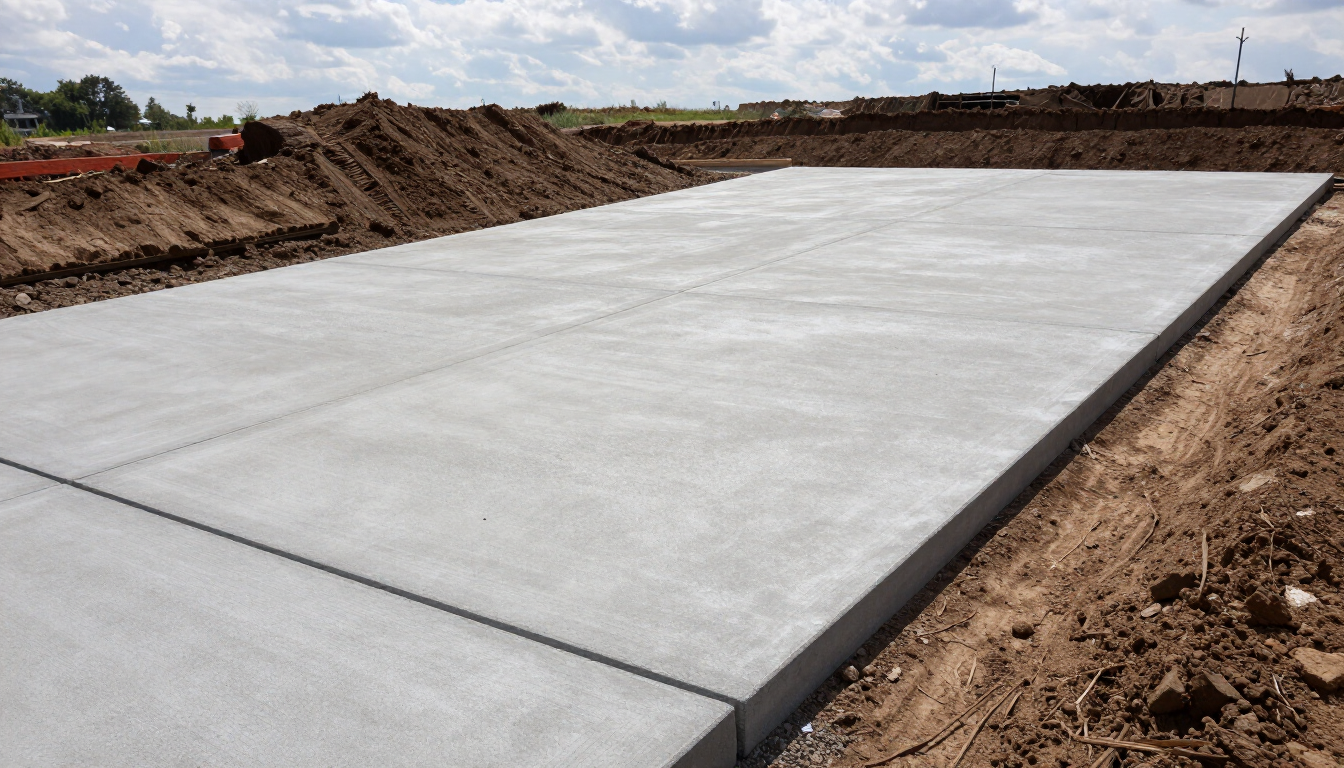
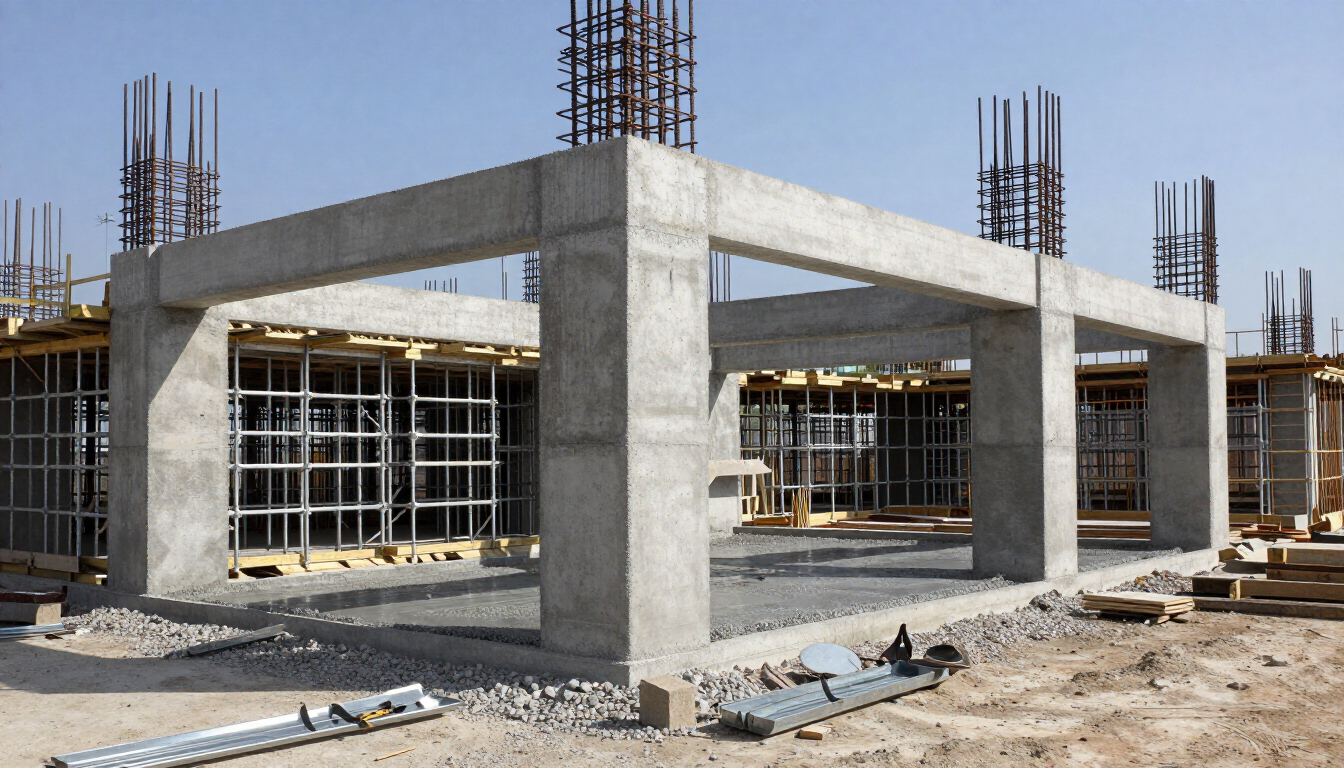
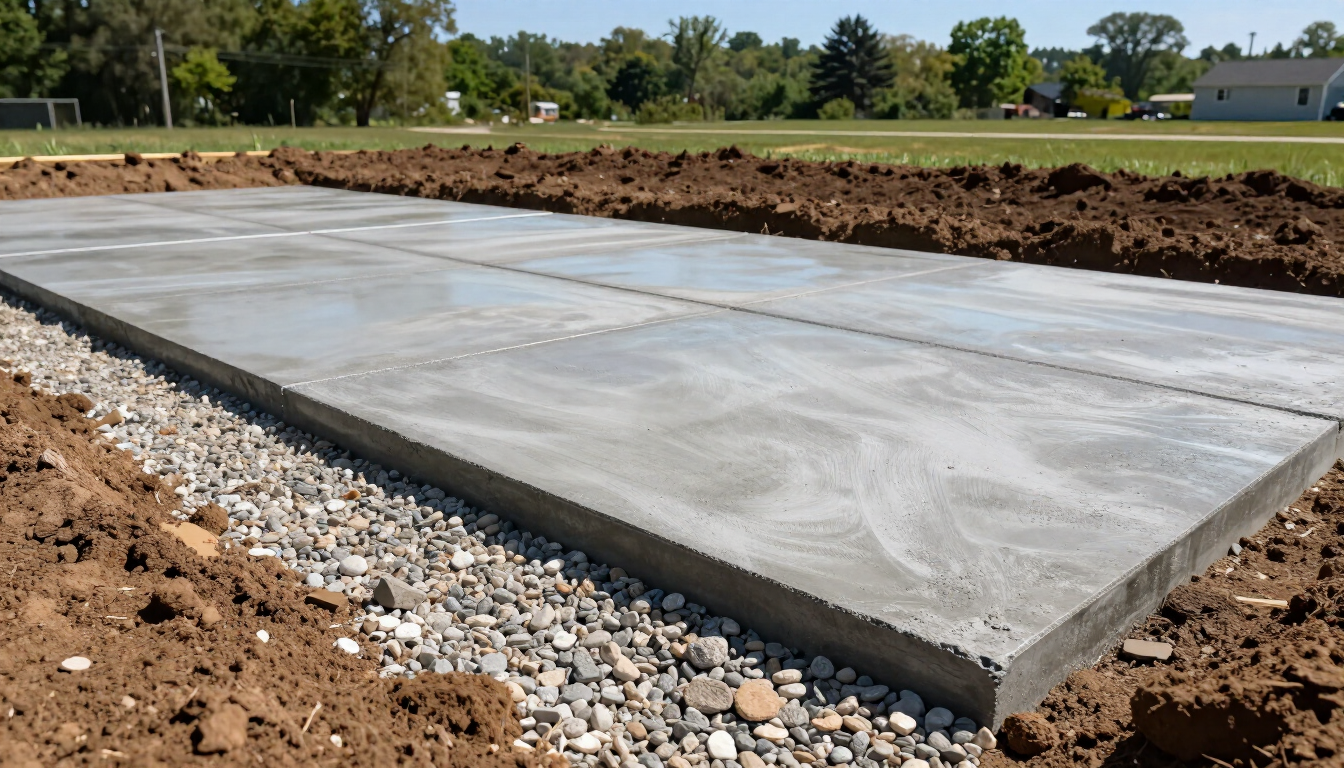
A typical driveway project may involve site preparation, excavation where necessary, grading, preparation of the supporting base, placement of forms, concrete placement, finishing, jointing, and curing.
Each stage serves a purpose.
Base Preparation
The ground and supporting base need to be prepared for the expected use of the driveway. The appropriate materials and preparation methods depend on the soil, site conditions, and project requirements.
Concrete Placement
Concrete must be placed and handled appropriately to achieve the intended thickness, finish, and surface profile.
Control Joints
Concrete naturally changes in volume as it cures and experiences temperature and moisture changes. Properly planned joints help manage where cracking is more likely to occur, although they cannot eliminate all cracking.
Finishing
The surface finish affects appearance and traction. The appropriate finish depends on the driveway's intended use and design preferences.
Curing
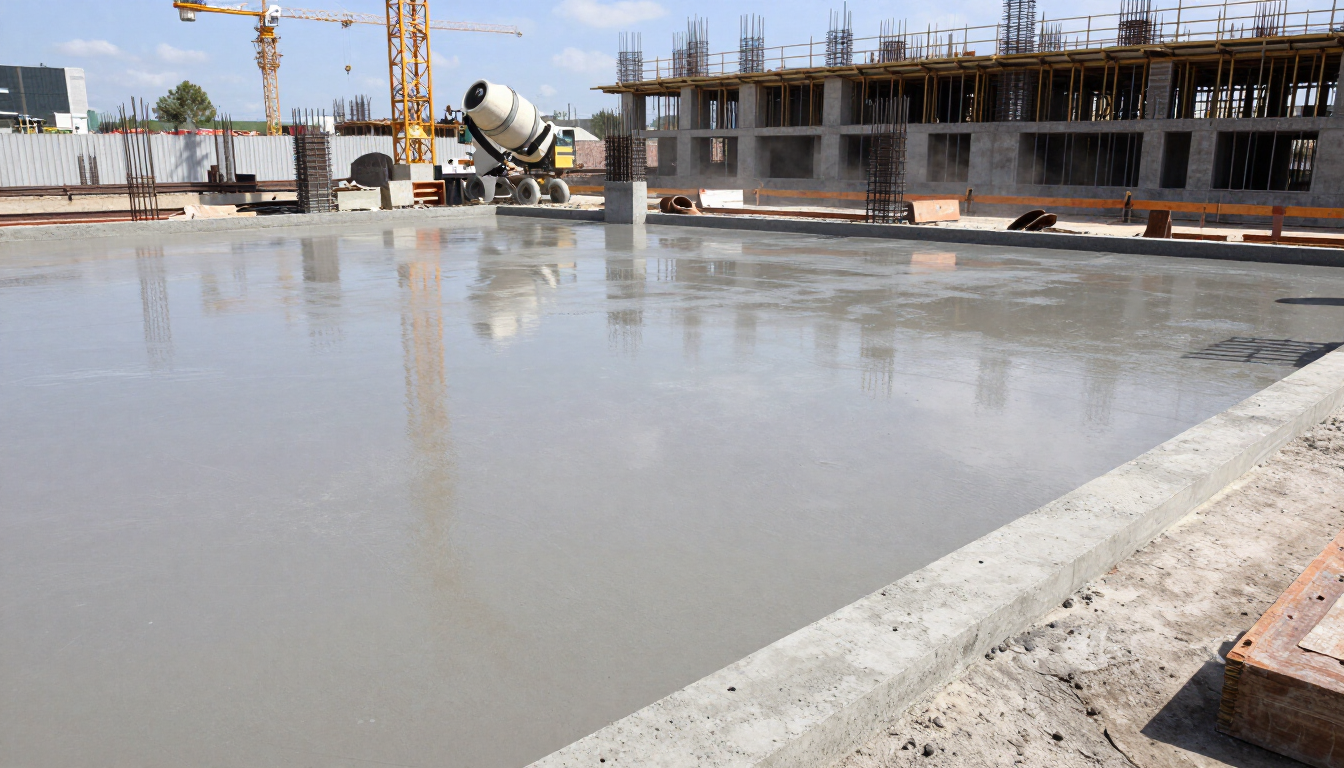
Concrete needs appropriate curing conditions to develop its intended properties. The contractor should explain when the surface can be walked on and when vehicles may return, based on the mix, weather, and project conditions.
Understanding these stages helps homeowners appreciate why proper preparation and workmanship are important to the long-term performance of a driveway.
6. Consider Roanoke's Seasonal Weather
Weather can affect both the scheduling and installation of a concrete driveway.
Temperature, moisture, and other environmental conditions influence how fresh concrete behaves and cures. Excessively hot, cold, or wet conditions may require adjustments to the installation process.
In the Roanoke area, seasonal changes make it important to plan the project around suitable conditions and follow appropriate concrete placement and curing practices.
Before work begins, discuss the expected schedule with your contractor and ask how weather could affect installation or access to the driveway.
You should also ask when the finished surface can safely support foot traffic and vehicles. Returning to the driveway too early can interfere with the concrete's development and potentially damage the surface.
Following the contractor's guidance helps protect your investment during the early stages of the driveway's life.
7. Understand the Factors That Influence Project Cost
The cost of a concrete driveway depends on the property's conditions and the scope of the work.
Rather than comparing estimates based only on the final price, review what each proposal includes.
Important factors may include:
- Driveway size: Larger surfaces generally require more materials and labor.
- Site preparation: Excavation, removal of existing concrete, and soil correction can affect the scope.
- Base requirements: The supporting base must be suitable for the property and intended use.
- Thickness and reinforcement: Specifications depend on project requirements and expected loading.
- Drainage and grading: Additional work may be needed to manage runoff or correct existing slopes.
- Finishing choices: Decorative treatments or specialized finishes may affect the budget.
- Site access: Difficult access can influence equipment needs and labor.
Ask for a clear explanation of the work included in each estimate. It is also helpful to understand how unexpected site conditions or additional repairs would be handled.
A detailed proposal makes it easier to compare contractors based on the full scope of work rather than choosing solely on price.
8. Maintain Your Concrete Driveway After Installation
Although concrete is relatively durable, routine care can help maintain its appearance and usability.
Keep the driveway reasonably clean by removing leaves, dirt, and other debris. Address oil, grease, and other spills using cleaning methods suitable for the concrete surface.
Inspect the driveway periodically for changes such as widening cracks, surface deterioration, or areas where water begins to collect.
It is also important to avoid using deicing products that are unsuitable for your concrete or applying them contrary to manufacturer guidance. During winter, follow appropriate snow and ice removal practices for the installed surface.
Depending on the concrete and exposure conditions, a suitable sealer may be worth considering. However, sealing is not appropriate in every circumstance, and product selection and timing should follow the manufacturer's recommendations.
Regular observation helps you notice changes early and determine whether professional maintenance is needed.
Plan Your Concrete Driveway Project With Iconic Contracting LLC
A well-planned concrete driveway begins with understanding the property's conditions, choosing a practical layout, and preparing the site correctly. Drainage, base preparation, installation methods, and curing all contribute to how the finished surface performs.
Whether you are considering a new driveway or evaluating an aging concrete surface, taking time to understand the process can help you make better decisions about your property.
Iconic Contracting LLC serves property owners in Roanoke, VA, and surrounding areas with concrete and contracting services.
Ready to improve your property's driveway?
Contact Iconic Contracting LLC to discuss your concrete project and determine the next steps.