
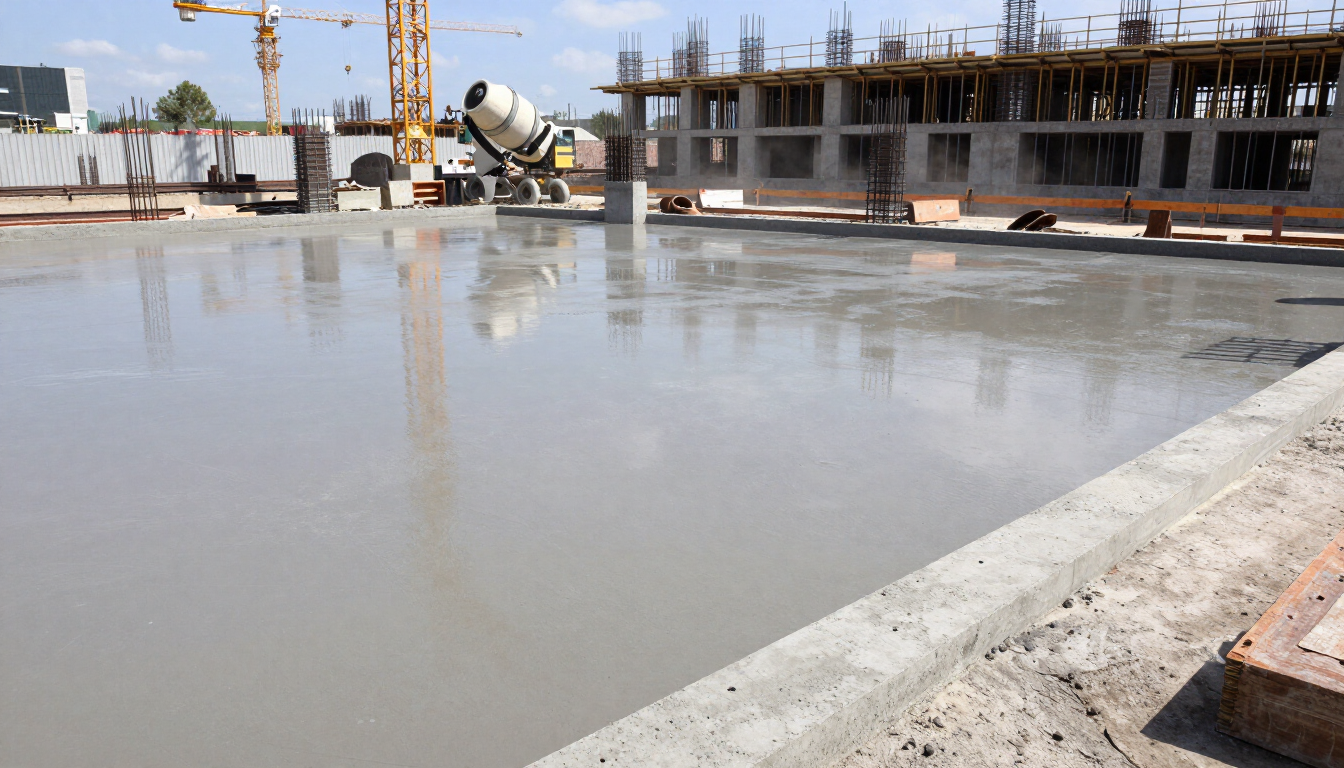
Looking for reliable concrete contractors or construction services? Discover how expert project management and quality craftsmanship transform your property.
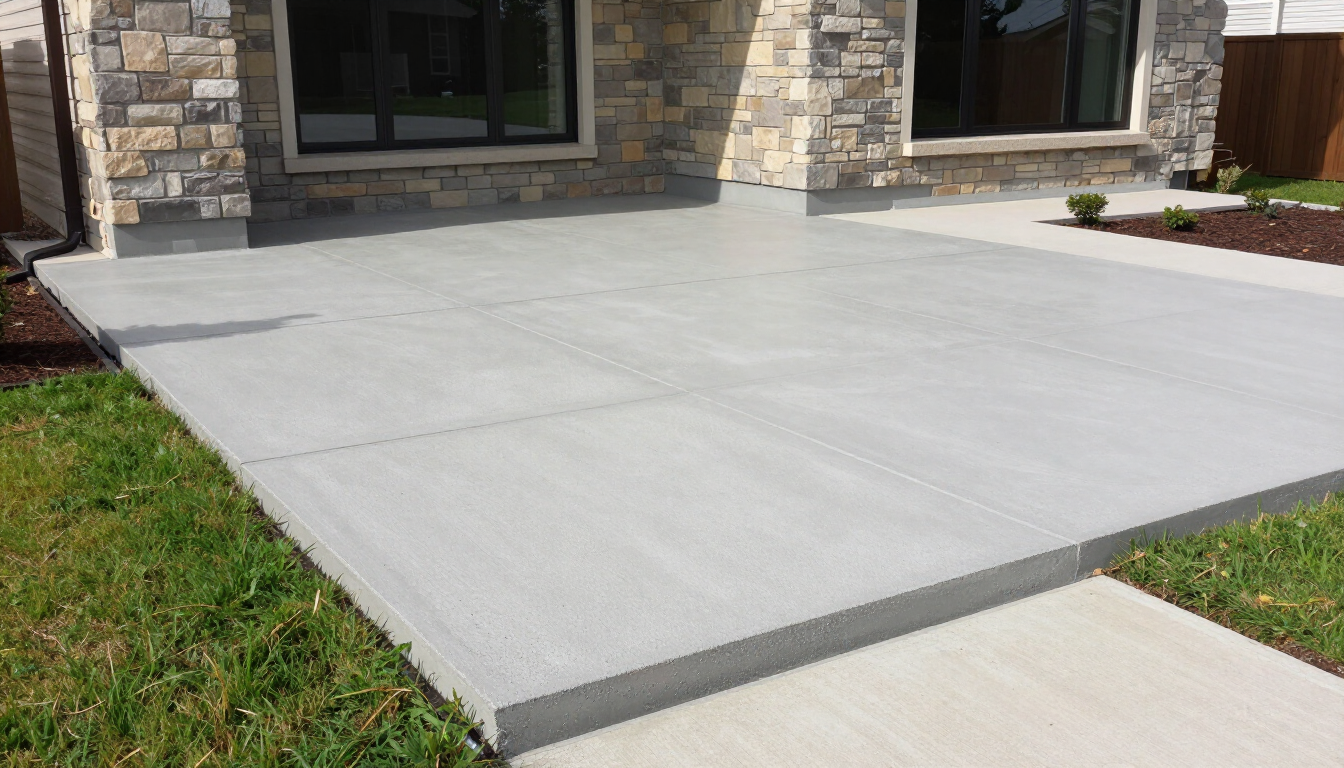
Looking for expert concrete driveways, patios, or foundations in Roanoke, Salem, or Bedford? Discover why locals trust Iconic Contracting LLC. Call today!
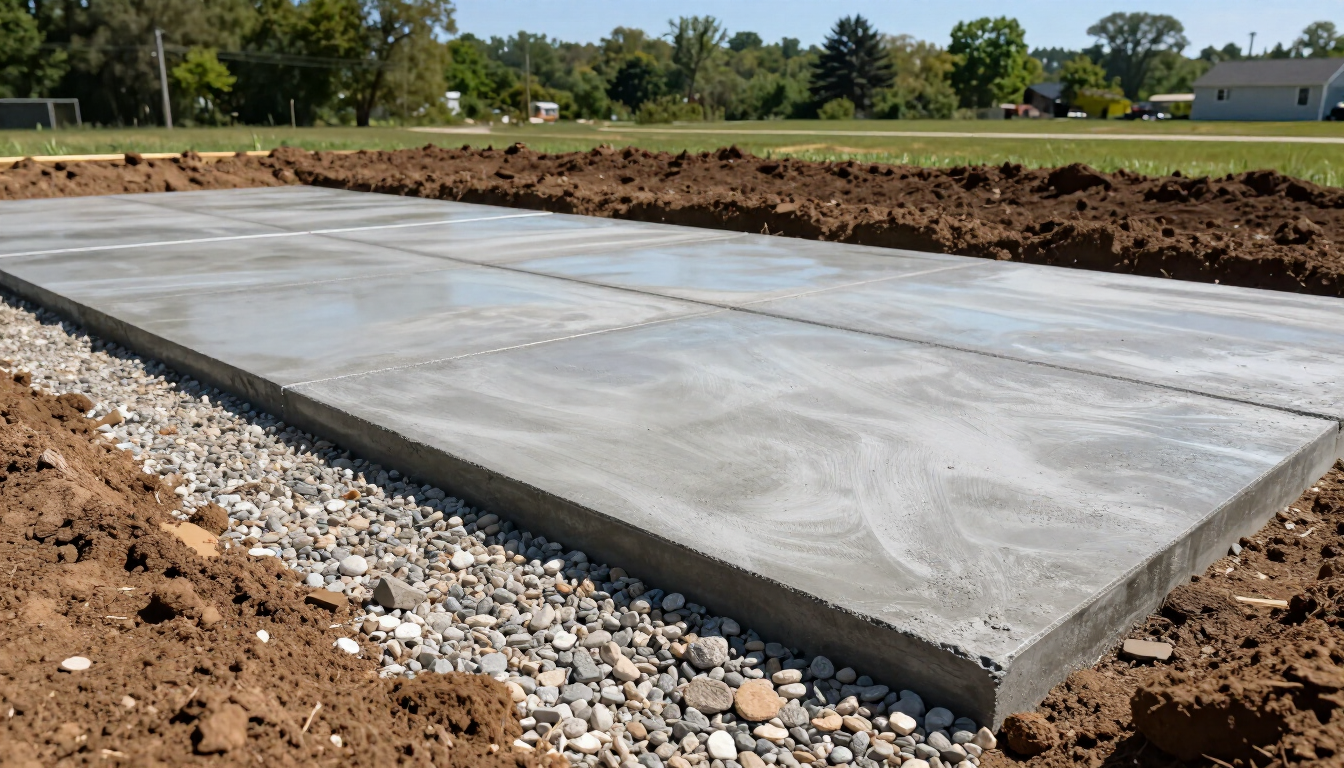
Looking for expert concrete and grading services in Roanoke? Discover why homeowners trust Iconic Contracting LLC for custom driveways, patios, and slabs.
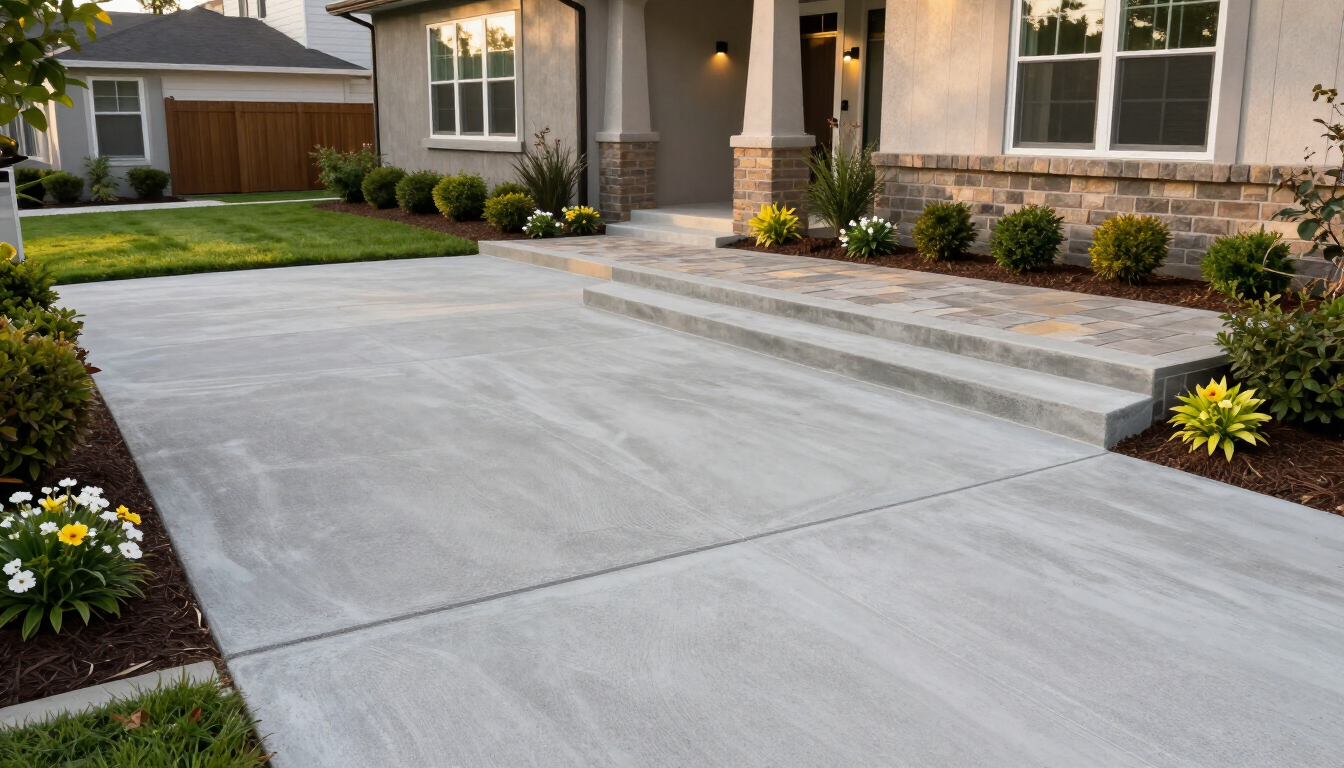
ant to upgrade your outdoor living space or replace a cracked driveway? Discover how custom stamped concrete and retaining walls elevate properties across SWVA.
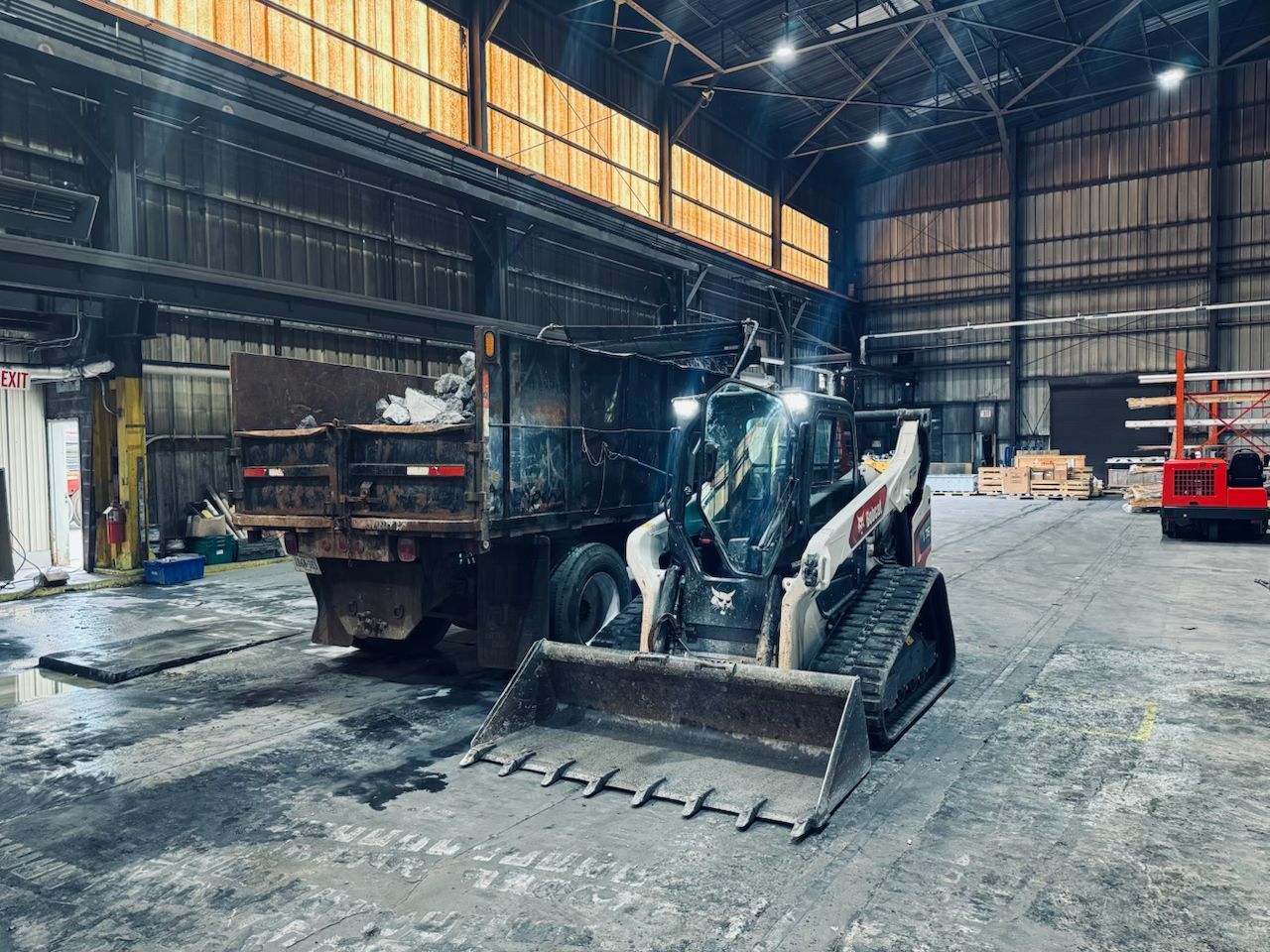
Looking to upgrade your driveway, patio, or foundation? Learn why professional concrete installation and decorative flatwork add lasting value across Southwest VA.
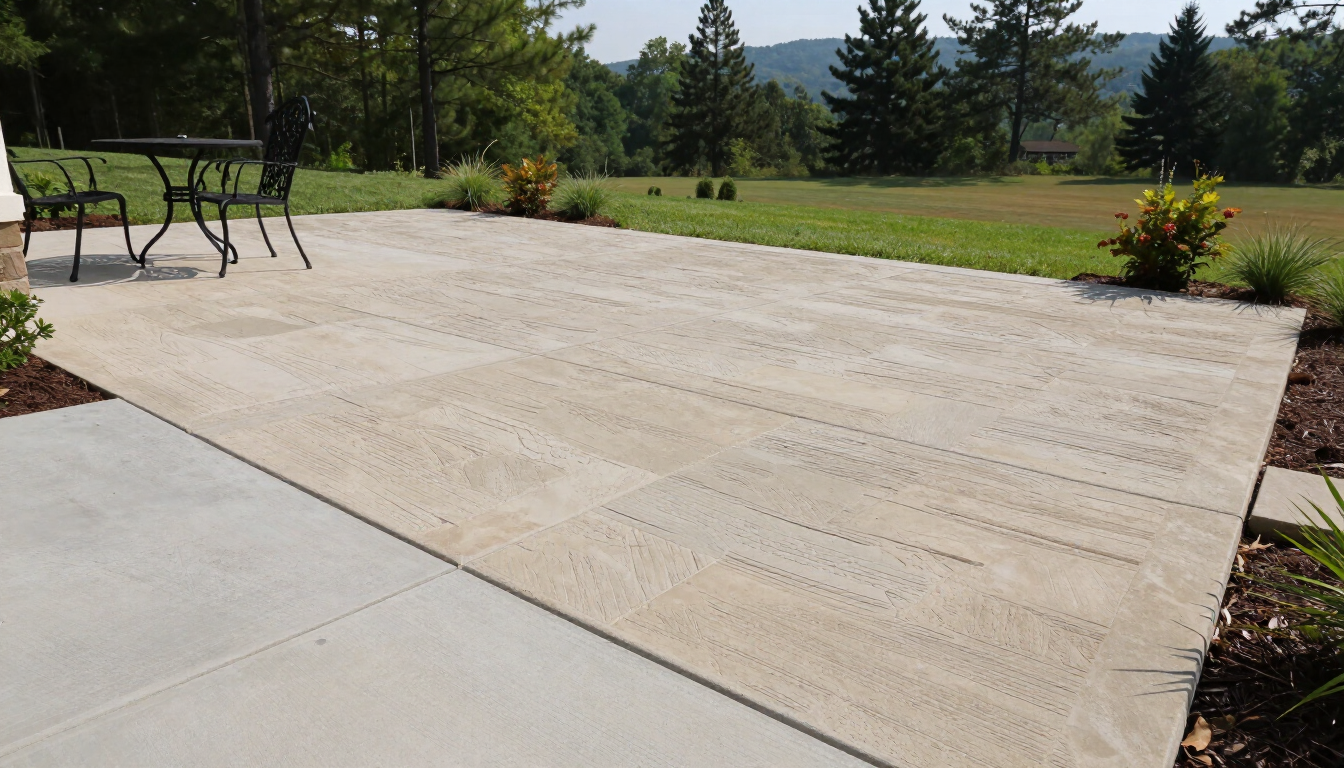
Want a high-end outdoor patio without the maintenance of traditional stone pavers? Learn how stamped concrete offers durability and custom design for your home.
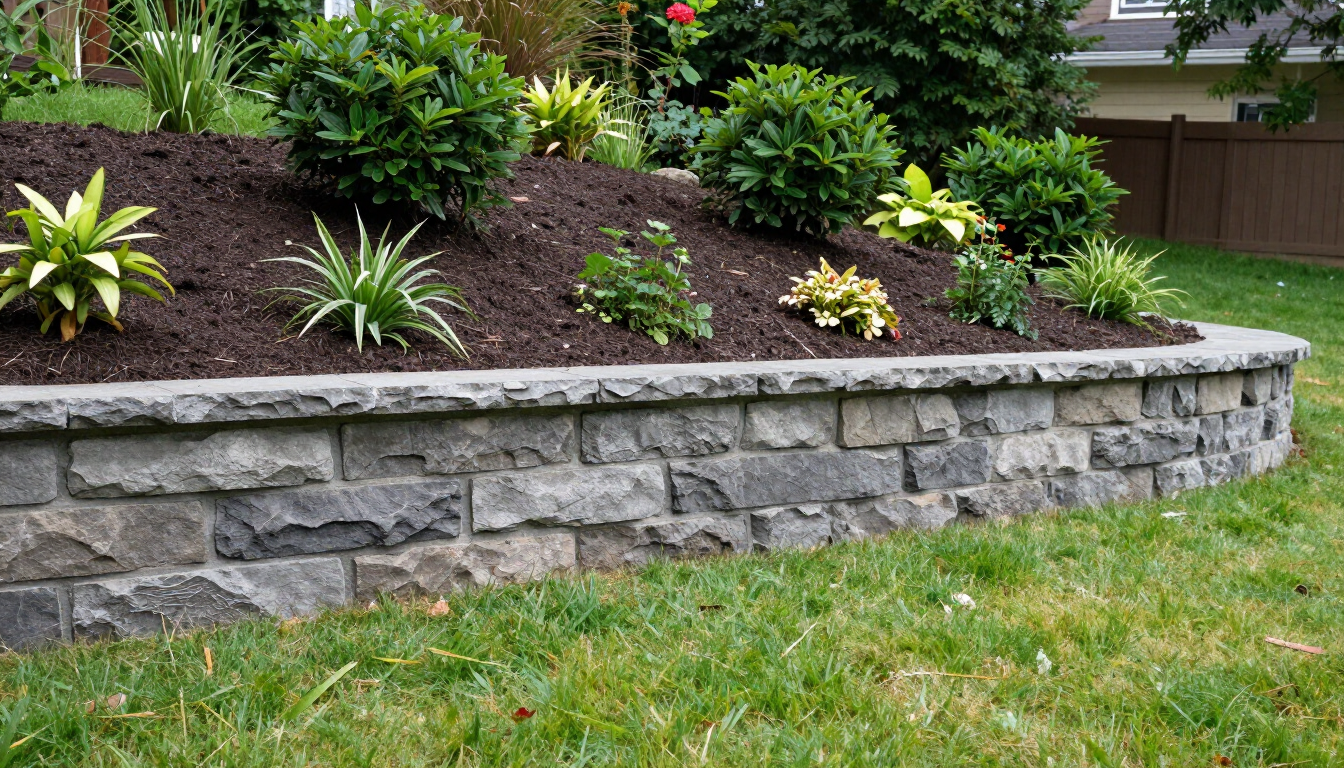
Is soil erosion or sloped terrain ruining your yard? Discover how custom retaining wall construction protects your Roanoke, VA property from runoff.
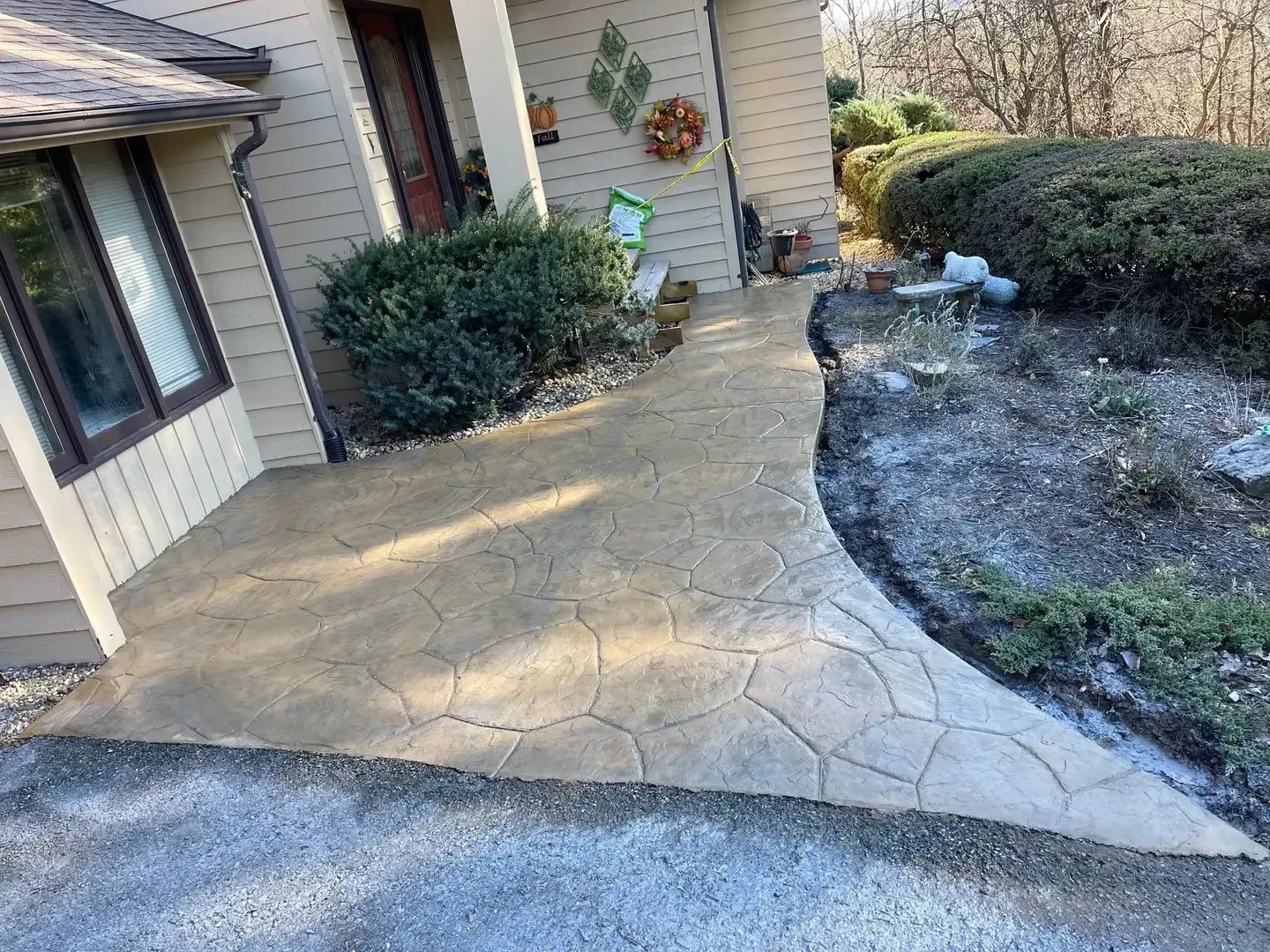
Looking to upgrade your outdoor living space? Discover how custom stamped concrete patios and driveways add lasting value to your Roanoke, VA property.
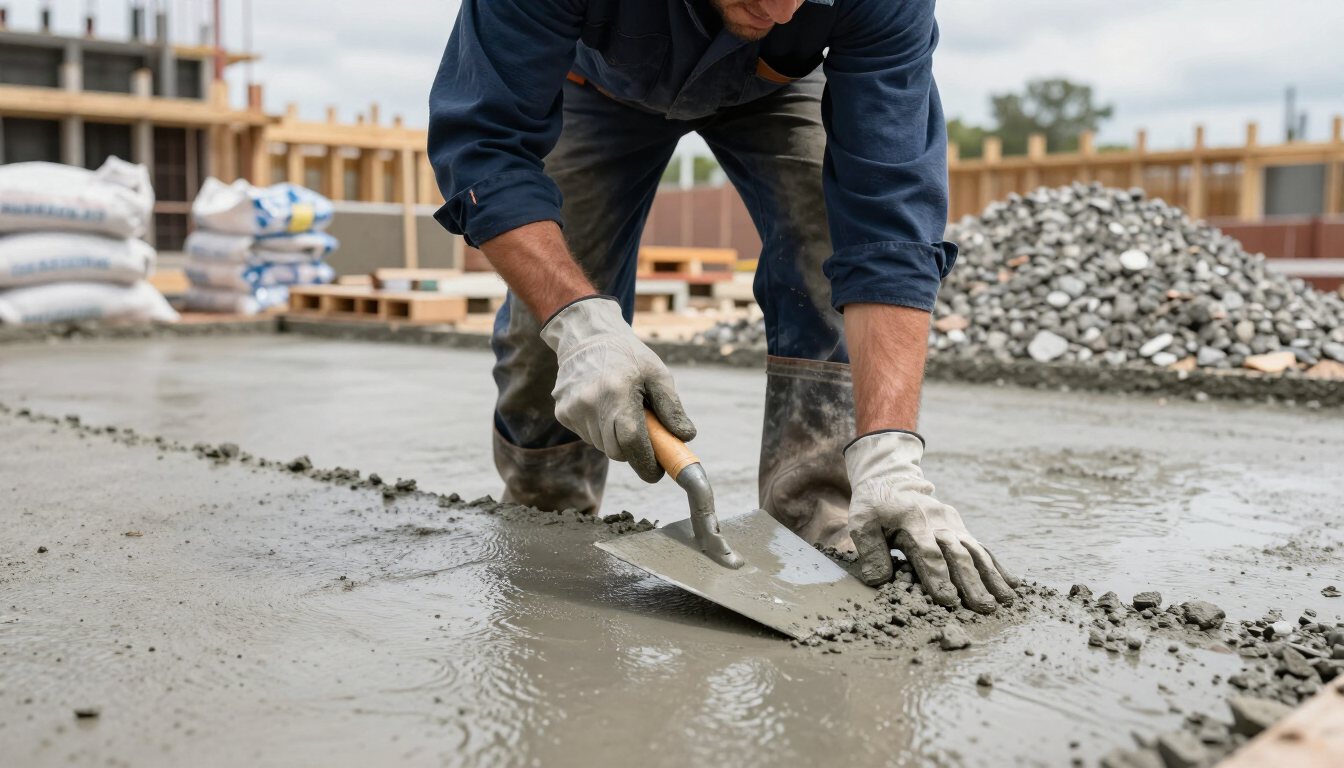
Don't gamble on your home's foundation or hardscaping. Learn what sets a commercial-grade concrete contractor apart in Southwest Virginia.
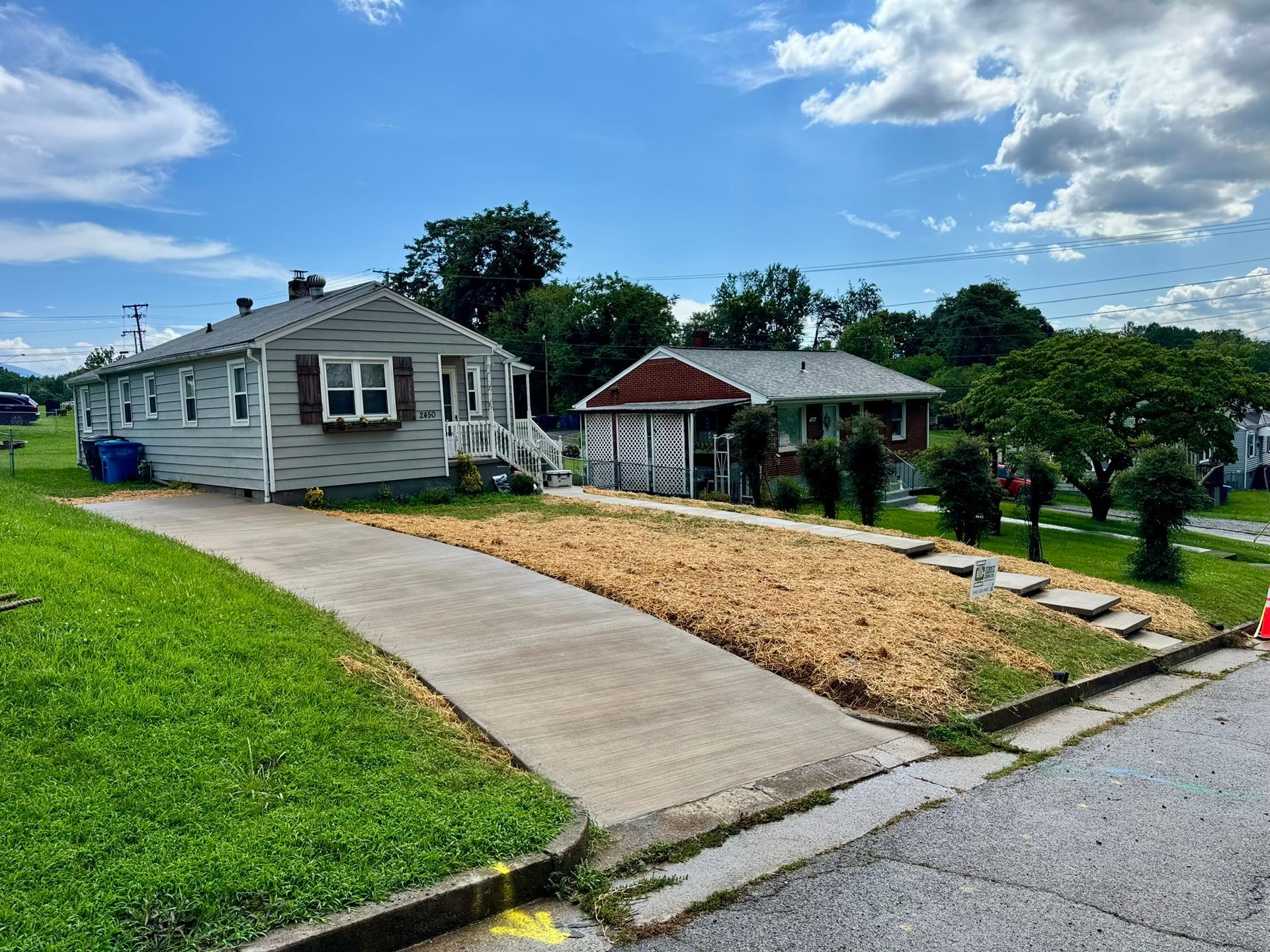
The architectural beauty of Southwest Virginia provides an incredible backdrop for outdoor living. From the rolling hills of Bedford to the stunning waterfront properties along Smith Mountain Lake, homeowners are constantly looking for ways to maximize their outdoor space and boost their property’s curb appeal. However, many homeowners settle for basic, uninspired outdoor surfaces. A standard, flat gray concrete slab or a crumbling asphalt walkway does nothing to enhance the value or the aesthetic of your home. If you want a backyard that feels like a luxury resort, or a front entryway that commands attention, you need to look beyond basic paving. You need the structural strength and artistic versatility of custom concrete. At Iconic Contracting LLC , we are not just pouring standard slabs; we are engineering high-end outdoor architecture. Whether you are looking to install a massive entertainment space or simply upgrade your front entrance, here is our professional guide to transforming your property with a master Concrete Contractor . 1. The Artistic Power of Stamped Concrete For decades, homeowners who wanted a high-end look for their patios or driveways were forced to purchase incredibly expensive natural flagstone, slate, or brick pavers. Today, modern concrete engineering has completely changed the game. Stamped Concrete allows you to replicate the luxurious, three-dimensional textures of natural stone, weathered wood planks, or classic brick at a fraction of the cost. During the pouring process, while the concrete is still pliable, we apply heavy-duty urethane stamps and specialized color hardeners to physically imprint the texture directly into the slab. The result is a permanent, weed-free surface that boasts the rich aesthetics of premium masonry. We provide the flawless Stamped Concrete in Roanoke, VA homeowners trust, alongside dedicated Stamped Concrete in Salem, VA and Stamped Concrete in Smith Mountain Lake, VA design services to match any architectural style. 2. Building the Ultimate Stamped Patio Your backyard should not just be a patch of grass; it should be a functional, sprawling extension of your indoor living room. The most effective way to anchor your outdoor living space is with a custom Stamped Patio . Unlike traditional wooden decks that require constant staining and eventually rot, a stamped concrete patio offers a permanent, zero-maintenance foundation for your outdoor kitchen, fire pit, or hot tub. We can engineer the slab to seamlessly follow the natural curves of your landscaping, creating a gorgeous, free-flowing entertainment space. From a sprawling Stamped Patio in Bedford, VA installation to an intimate, modern Stamped Patio in Vinton, VA build, our masonry crews ensure your new outdoor living space will never sink or crack under the pressure. 3. Curb Appeal and Safety: Concrete Sidewalk Installation While backyards are for living, your front yard dictates your home’s absolute first impression. A cracked, uneven, or severely narrow front walkway is not just an eyesore; it is a serious tripping hazard for your guests and family. Professional Concrete sidewalk installation completely revitalizes the approach to your home. We do not just pour straight, boring lines. We can design sweeping, curved walkways with broom-finished traction or elegant stamped borders that guide the eye directly to your front door. Replacing a walkway requires precise grading and drainage planning to ensure water flows away from your home's foundation. Our crews routinely execute precision Concrete sidewalk installation in Roanoke, VA , safe and durable Concrete sidewalk installation in Salem, VA pathways, and high-traffic Concrete sidewalk installation in Smith Mountain Lake, VA approaches. 4. Why You Need a Professional Concrete Contractor Pouring concrete is an incredibly time-sensitive and physically demanding science. Once the concrete leaves the truck, the chemical curing process begins immediately. There is absolutely zero room for error. A budget handyman who fails to install the proper gravel base, ignores essential expansion joints, or pours the concrete on a freezing morning will leave you with a massive, shattered mess by the next spring. As a premier Concrete Contractor , Iconic Contracting LLC brings heavy civil engineering standards to residential hardscaping. We manage the entire process, from deep structural excavation and proper drainage integration to the final sealing of your stamped masterpiece. You deserve the peace of mind that comes with a licensed, insured, and deeply experienced team. Transform Your Property with Iconic Contracting LLC Concrete is the foundation of your property's value and functionality. You should never compromise on the structural integrity or the aesthetic finish of your hardscaping. At Iconic Contracting LLC , we combine heavy-duty structural engineering with elite artistic craftsmanship to create breathtaking concrete features that will outlast you. We proudly provide full-service concrete pouring, custom stamping, and hardscape design across our expansive Southwest Virginia service area: Concrete Contractor in Roanoke, VA (Expert Stamped Concrete and Stamped Patio builds) Concrete Contractor in Salem, VA (Premium Stamped Patio and Concrete sidewalk installation) Concrete Contractor in Smith Mountain Lake, VA (Luxury Stamped Concrete and outdoor living) Concrete Contractor in Bedford, VA (Dedicated Concrete sidewalk installation and Stamped Concrete) Concrete Contractor in Vinton, VA (Comprehensive Stamped Patio and Concrete sidewalk installation) Stop settling for a basic, uninspired yard. Contact Iconic Contracting LLC today via our website to schedule your professional site evaluation and let’s design a concrete masterpiece that redefines your home!